







Search Results for: gas heating
Kalita all-copper pour-over kettle hands-on test: can the Japanese Kalita pour-over kettle be heated on a gas stove, and gear brand recommendations
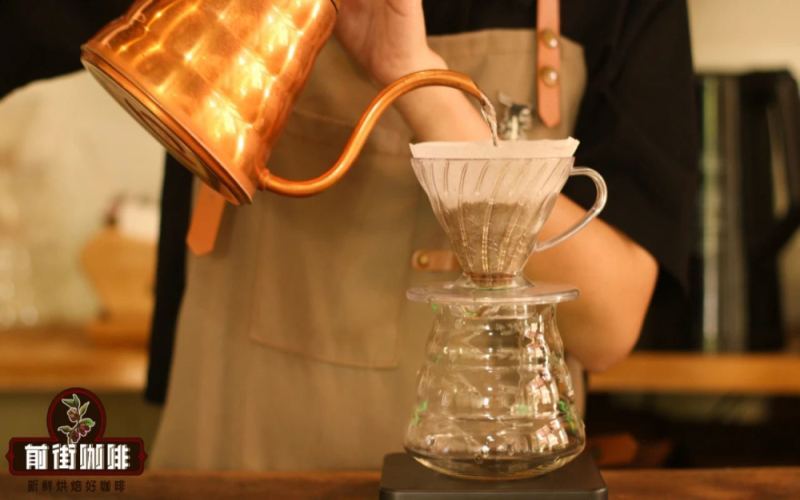
Want to get your hands on a handy pour-over kettle but don't know where to start? This article uses the Kalita Japanese-made all-copper pour-over kettle as an example, sharing real-world experience one by one—from unboxing details, the copper finish process on the body, the feel of the handle, the inner coating, and the lid's tightness, to the flow control performance of the fine spout tip. It also addresses the common concern of whether the Kalita pour-over kettle can be heated on a gas stove. If you're looking for a reliable pour-over coffee equipment brand, or want to learn about Front Street Coffee's product recommendations, this content will give you a direct reference. [more…]

Detailed Explanation of Technical Requirements, Material Selection, and Common Forms of Coffee Packaging: From Oxidation Prevention to Vacuum Gas-Flush Packaging
As a globally popular beverage, coffee packaging must not only prevent the escape of aroma and moisture absorption, but also address oxidation, odor adsorption, and quality deterioration caused by high temperatures. This article focuses on the packaging needs of regular coffee and instant coffee, systematically outlining key technical requirements such as oxidation prevention, moisture resistance, gas barrier properties, and high-temperature protection, and introduces current mainstream vacuum packaging and gas-flushing packaging processes. In terms of material selection, bags, bag-in-box, metal cans, and glass jars each have corresponding composite structure solutions, while instant coffee mostly uses paper/aluminum foil/polyethylene flexible packaging. The article concludes with a summary of common packaging forms such as bags, cans, and boxes, suitable for reference by coffee enthusiasts and industry professionals. [more…]
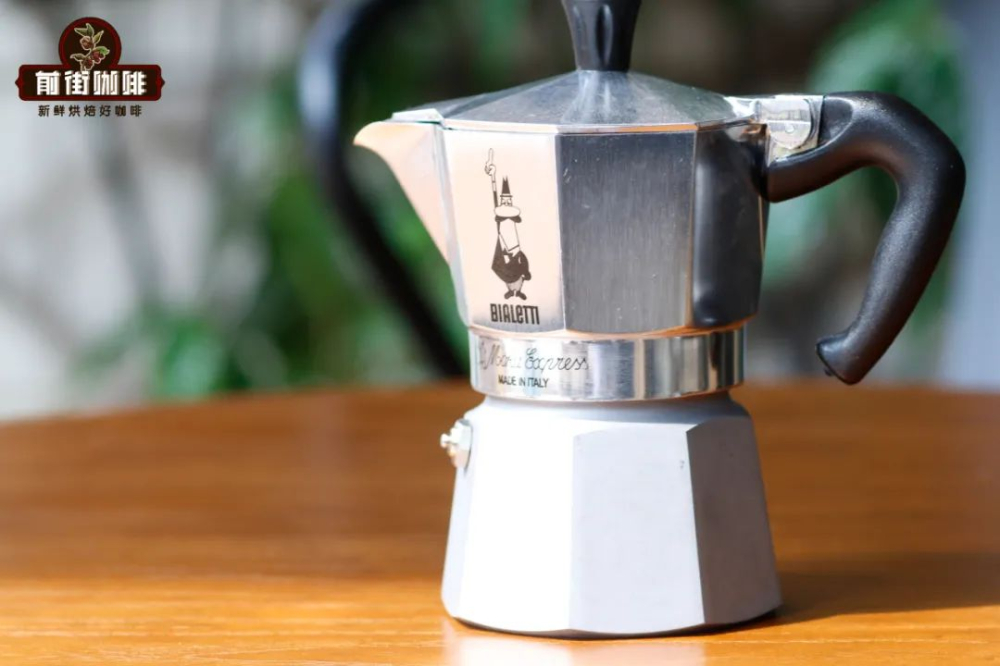
Moka Pot Tutorial with Diagrams | How to Brew Espresso-Style Black Coffee at Home with a Moka Pot? Recommendations for High-Quality, Low-Acidity, Sweet-Finish Coffee Beans for Bialetti Moka Pots
The moka pot is a device that extracts rich coffee through heating and pressurization. It was invented in 1933 by the Italian Alfonso Bialetti, and is mainly popular in European countries, especially in its country of origin, Italy, where the vast majority of households have a moka pot at home. [more…]
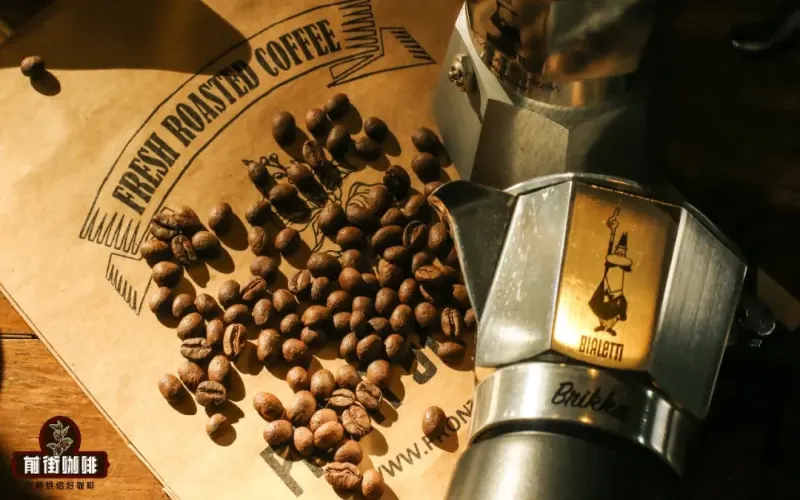
How to Extract Stronger Coffee from a Moka Pot? A Guide to Choosing Medium-Dark Roast Beans and Heating Methods
The Moka Pot, with its high-temperature, pressurized extraction method, can produce a rich and full-bodied coffee liquid. Since its invention by Alfonso Bialetti in 1933, it has been widely used in European households, especially in Italy. To make Moka Pot coffee stronger, the key lies in choosing the right coffee beans, controlling the coffee-to-water ratio, and mastering the heating rhythm. This article will provide a detailed explanation of how to use a Moka Pot to make espresso with abundant crema and a thick mouthfeel, covering the structure and principles of the Moka Pot, suitable coffee bean types, Front Street brand recommendations, and specific operating steps. It will also explain the difference between using a gas stove and an induction cooker when heating, helping coffee enthusiasts enjoy freshly roasted medium-dark roast beans within their optimal flavor period. [more…]
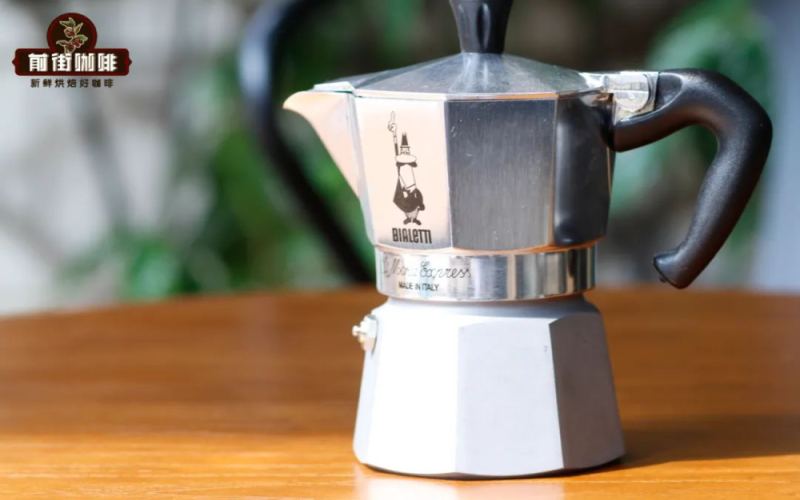
Bialetti Moka Pot Low-Acid Coffee Bean Selection and Grinding & Extraction Full Process Illustrated Guide
Since the moka pot was invented in 1933 by the Italian Alfonso Bialetti, it has been a common appliance in European households, especially in Italian kitchens. It works by heating the lower chamber to produce steam pressure, which pushes hot water through the layer of coffee grounds to extract a rich, full-bodied brew. To make a cup of coffee with a rich crema and a smooth mouthfeel using a moka pot, the freshness of the coffee beans, the choice of roast level, and the coarseness of the grind are all crucial. This article will focus on Front Street Coffee's freshly roasted specialty low-acid coffee bean recommendations for the Bialetti moka pot, the criteria for judging grind size, and the complete brewing process, providing coffee lovers with a practical guide to using the moka pot. [more…]
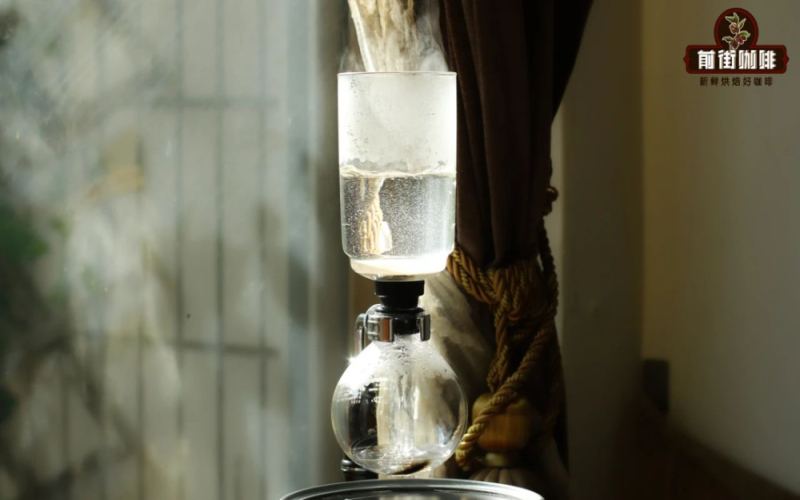
A Complete Guide to Siphon Coffee Brewing: Practical Insights from Equipment Structure to Extraction Parameters
The siphon is now a rare piece of equipment in the current specialty coffee wave; many cafés no longer offer siphon coffee, or keep it only as a special single-origin offering. But for siphon enthusiasts, outside options are limited, so it is better to do it yourself. In this article, Front Street breaks down the complete siphon coffee brewing process in plain language, starting from the upper and lower chamber structure and sealing principle, comparing the trade-offs between flannel cloth filters and round paper filters, analyzing the pros and cons of three heat sources—gas stove, light-wave stove, and alcohol lamp—and delving into the disagreement between adding coffee grounds first versus later, grind size reference, recommended coffee-to-water ratio, and the tapping and stirring technique. At the end, the article includes Front Street’s usual step-by-step operating procedure, covering all stages: pouring water, inserting the upper chamber, adding coffee grounds, stirring, and turning off the heat for drawdown. It is suitable for beginners to follow step by step. [more…]
Exploring Panama's Elida Estate: Variety Characteristics, Processing Methods, and Flavor Comparison of Geisha and Typica
Amid the high-altitude mist of Panama's Boquete region, Elida Estate has earned its place in the pantheon of specialty coffee through a century of heritage and exceptional quality. This article will guide you through the estate's history, terroir, and cultivated varieties, and from the tasting perspective of Front Street Coffee, compare the flavor differences between Elida Geisha and Typica. From the champion anaerobic fermentation low-temperature slow sun-drying process, to the refined roasting curves and brewing parameters, and to the rich layers revealed in cupping, we will together uncover the secrets behind Elida coffee's high esteem. [more…]
Panama Elida Geisha Coffee Buying Guide: Estate Parameters and Brewing Techniques Explained
Hacienda Elida in Panama is a legend in the specialty coffee world, and its Geisha coffee once won the championship in the Geisha processing category at the BOP competition. From the tasting perspective of Front Street Coffee, this article provides a comprehensive analysis of Hacienda Elida's regional terroir, a parameter comparison between the two major varieties Geisha and Typica, the process details of anaerobic fermentation with low-temperature slow sun-drying, as well as roasting recommendations and brewing plans for these two beans. Whether you are a beginner just getting started or a seasoned enthusiast, you can gain practical brewing references from it and recreate the floral aroma and fruity charm of Elida Geisha at home. [more…]

Late-night coffee aroma wafts through Shanghai, sparking heated discussion; multiple departments respond it's not a factory incident, tracing the source
In the early hours of May 17, 2021, residents in several districts of Shanghai reported on Weibo that a rich coffee aroma was drifting through the air. Some thought a neighbor was brewing coffee, while others suspected a family member was secretly drinking coffee late at night. This mysterious scent smelled like instant coffee, mixed with burnt and sesame oil notes. Subsequently, rumors spread online that a flavoring factory in Minhang District had experienced a gas leak, with speculation that the leaked substance was furfuryl mercaptan. Shanghai's fire and ecological environment departments responded that they had not received any reports of related accidents and had launched an investigation, but no abnormalities were found at the scene, and the source is still under verification. As a "city of coffee" with nearly 8,000 coffee shops, Shanghai's real-life coffee aroma diffusion incident has sparked widespread attention. [more…]
Understanding espresso bean degassing periods and peak flavor windows, so you drink every bag of coffee at its fullest flavor.
Freshly roasted coffee beans accumulate a large amount of carbon dioxide gas inside, and this gas is slowly released over the following days. For espresso extraction, the state of gas release is directly related to the fineness of the crema and the overall expression of flavor. Understanding the internal changes in coffee beans at different stages can help us [more…]
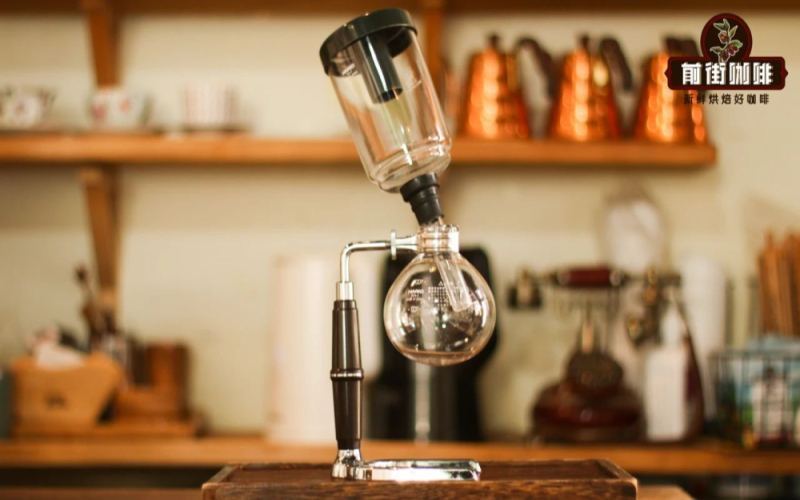
Complete Guide to Siphon Coffee Brewing: From Working Principles to Front Street Blue Mountain No. 1 Practical Parameters
The siphon pot, also known as the syphon, is a brewing device with a long history that has nevertheless remained active on the coffee stage. It uses changes in gas pressure to drive hot water upward and draw the coffee liquid back down. As an immersion-style extraction method, it can more fully bring out the layers and richness of flavor. This article begins with the origin and working principle of the siphon pot, then gradually breaks down the key steps in the brewing process, including heat intensity, water temperature, grind size, and stirring. Using the medium-dark roasted Front Street Jamaica Blue Mountain No. 1 as an example, it provides a specific method with a coffee-to-water ratio of 1:14, a water temperature of about 88°C, and an extraction time of about 60 seconds, helping coffee lovers reliably recreate at home a cup of siphon coffee that is rich, balanced, and has a long-lasting sweet aftertaste. [more…]

The Flavor Curve in Espresso: The Drinking Rhythm from the Degassing Period to Opening and Storage
Roasted coffee beans accumulate a large amount of carbon dioxide inside, and these gases are slowly released outward over time. For home espresso extraction, the gas state inside the bean directly affects how smoothly water flows through the coffee bed. Freshly roasted beans are often full of internal pressure, and during pressurized extraction they tend to produce a rough and [more…]
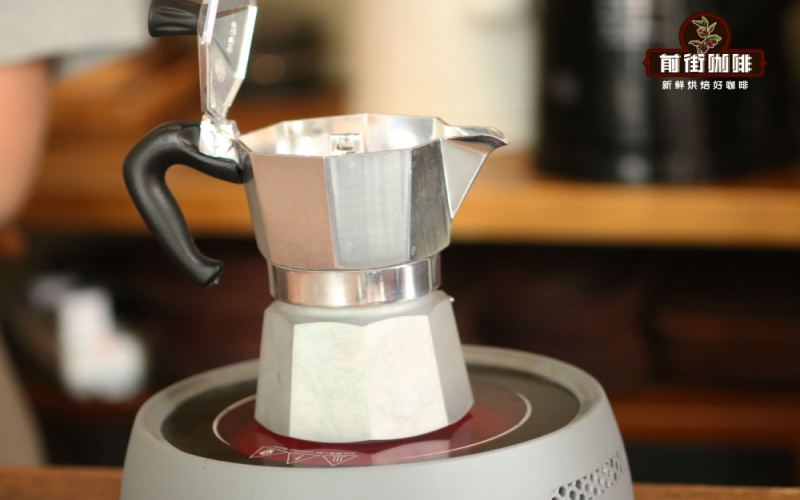
Will a moka pot explode? From principles to operational details, teaching you to safely brew rich coffee
The moka pot, with its unique pressurized extraction method, can brew rich coffee close to espresso, making it a favorite among home coffee enthusiasts. However, because it involves pressure, many people have doubts about its safety. In fact, as long as you master the correct operating steps, these problems can be completely avoided. Starting from the working principle of the moka pot, this article will explain in detail the suitable coffee bean choices, specific recommendations for the Front Street Coffee brand, and twelve usage details that must be noted—from preparing a new pot, water level control, and grounds filling, to gasket replacement, how to tighten the pot body, suitable heat sources, and troubleshooting. Whether you use an aluminum alloy or stainless steel model, these practical suggestions can help you avoid risks and consistently produce moka coffee with a rich layer of crema. [more…]
Physical evolution during coffee bean roasting: the entire process from color to porosity to oil migration
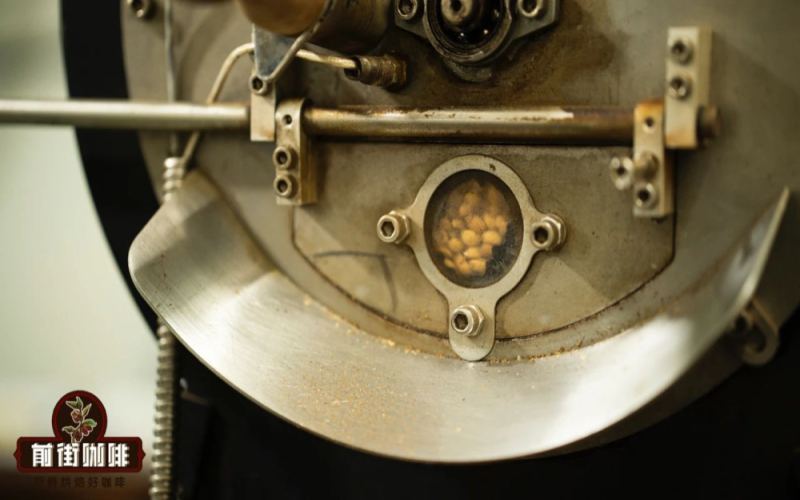
Coffee roasting is far more than just applying heat; it subjects green beans to a series of dramatic transformations on both the physical and chemical levels. As the first article in this series, this piece focuses on the physical changes during roasting: from the color shifting from blue-green to brown, to the moisture content plummeting from 10-12% to about 2.5%, to the cell walls going from rigid to rubbery, the beans expanding in volume, porosity increasing, and oils migrating to the surface. These structural changes do not occur in isolation; they provide the necessary preconditions for chemical processes such as the Maillard reaction and caramelization. Only by understanding the physical changes can one truly grasp the relationship between the roasting curve and the final flavor. [more…]
From degassing to flavor release: home coffee bean peak-flavor window and advice for drinking in batches
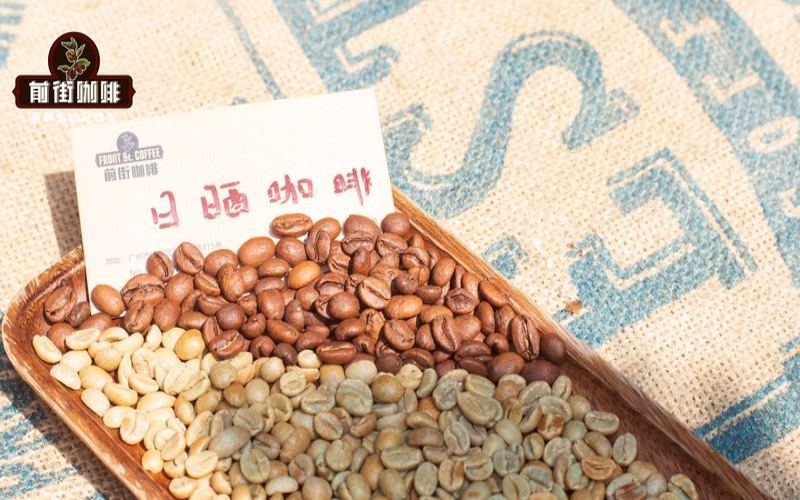
After coffee beans expand from the heat in the roasting drum, their internal porous structure stores a large amount of carbon dioxide gas. Freshly roasted beans are in an active degassing phase; if water is poured in to brew at this point, the violently escaping bubbles will block even contact between the hot water and the coffee grounds, and the extracted flavor easily tastes green and muddled. [more…]

Detailed Guide to Moka Pot Coffee Brewing Steps: Causes and Solutions for Weak Coffee and Insufficient Crema
The moka pot, as an easy-to-use home coffee device, can produce a rich coffee close to espresso. Starting from the structure and working principle of the moka pot, this article will introduce the complete brewing process step by step, and for the three common problems in home use—coffee tasting too weak, lack of crema, and coffee splashing—analyze the causes one by one and provide adjustment solutions, while also recommending medium-dark roasted coffee beans suitable for moka pot use. [more…]
How should coffee beans be stored properly after buying them? Master the four principles—avoiding moisture, oxygen, light, and heat—to keep their fresh flavor.
Many people mistakenly believe that freshly ground coffee equals fresh coffee, but that is not the case. To truly savor the aroma of coffee, besides grinding fresh, the roast date of the coffee beans is equally crucial. Front Street Coffee, whether in-store or through its online Taobao shop, offers freshly roasted coffee beans. Beans roasted more than 50 days ago basically have little aroma left, but in the first two days after roasting, the aroma has not yet stabilized and the regional flavors cannot be tasted, so Front Street reminds customers to generally rest the beans for three to four days before brewing. So how should coffee beans be stored to maintain freshness after opening? Front Street has summarized the four things coffee beans fear most — moisture, oxygen, light, and heat — and shared the pros and cons of storage methods such as one-way degassing valve bags, sealed canisters, and vacuum canisters, to help everyone extend the flavor life of coffee beans as much as possible in daily life. [more…]

Coffee Resting Guide | What Is Coffee Resting? How Long After Roasting Should You Drink Fresh Coffee Beans? How Many Days of Resting Do Coffee Beans of Different Roast Levels Need?
Friends who brew their own coffee may already have some concept of bean resting. It doesn't matter if you haven't heard of it before—below we'll explain why coffee needs resting and how long it should rest. When everyone is brewing coffee, the moment water touches the coffee grounds, the coffee begins to bubble and swell, "watching the coffee slowly [more…]
The Complete Guide to Siphon Coffee: From Construction and Principles to Brewing Parameters, Cloth Filter Maintenance, and Bean Selection
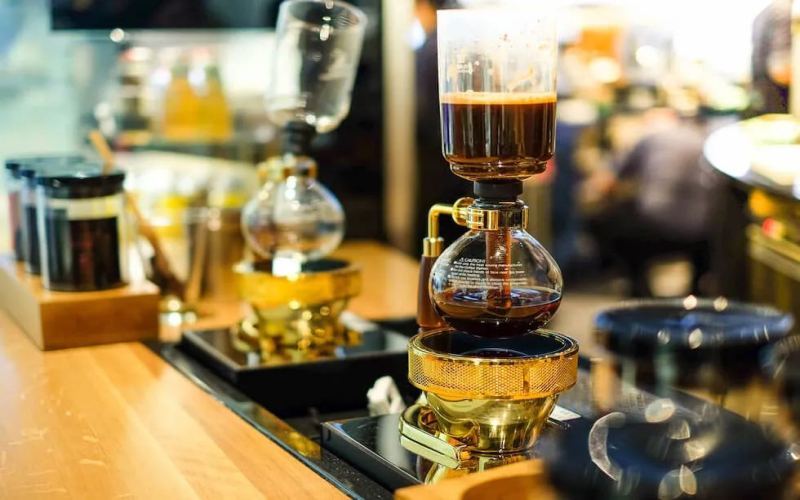
The siphon coffee maker, also known as the syphon, originated in Germany. It relies on heating the lower chamber to create pressure that pushes hot water up to the upper chamber to complete extraction. It is very popular in Japan and has gradually become popular in China. Its shape resembles chemical apparatus, often appearing in nostalgic films and TV shows, and it carries a mysterious aura. From the professional perspective of Front Street, this article systematically sorts out the upper chamber, lower chamber, and stand structure of the siphon, analyzes the pressure-difference extraction principle, introduces three heat sources—alcohol lamp, gas burner, and halogen lamp—as well as the trade-offs between flannel filter cloth and round filter paper. Then, taking Front Street Brazil Queen Estate beans roasted in-house as an example, it provides parameters such as a water temperature of 88°C, 18 grams of coffee powder, and a 1:10 coffee-to-water ratio, along with a six-step operating process, and explains filter cloth cleaning and storage as well as suitable coffee bean types. [more…]
What's the difference between Japanese-style slow roasting and Nordic fast roasting? An in-depth analysis of the flavor differences in Yirgacheffe Worka Red Cherry roasting.
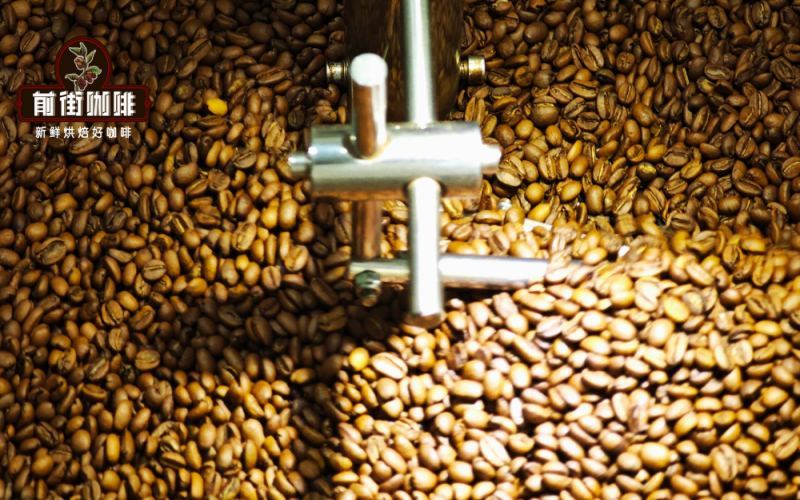
What are the essential differences between the two major schools of coffee roasting—Japanese-style slow roasting and Nordic-style fast roasting—in terms of technique and flavor expression? This article uses Front Street Volcán Red Cherry coffee beans (natural process) as a sample, and through a comparison of two actual roasting curves, breaks down each stage one by one, from charge temperature, heat and airflow adjustment, to the yellowing point and first crack development. Japanese-style slow roasting pursues a steady mouthfeel, pronounced caramelization, and high consistency, with a short resting period; Nordic-style fast roasting emphasizes lifted floral and fruity aromas and a tea-like entry, but places higher demands on green bean quality. The article also analyzes dimensions such as roasted bean appearance, ground coffee color differences, and cupping performance, leading you to a comprehensive understanding of how these two roasting philosophies shape the final flavor of coffee. [more…]